Preparing for Your First NHS Consultant Post - Build the right consultant profile before you start applying
The strongest preparation for your first NHS consultant post often begins 12–24 months before CCT or your first applications. This is the time to look beyond simply completing training and think about the consultant you want to become, the experience you still need to develop and the types of posts where your strengths will genuinely be valued.
This guide explains how to use the final stages of specialty training to build a competitive consultant profile across clinical practice, quality improvement, teaching, research, leadership and service development, without trying to become exceptional at everything.
Already shortlisted for a consultant interview or applying soon? Read our separate guide How to Prepare for an NHS Consultant Interview for post-specific preparation, interview practice and the final weeks before your interview.
Preparing for a future consultant interview?
Building the right experience takes time. Learning how to present that experience effectively is the next step.
Our NHS Consultant Interview Course helps doctors understand what consultant appointment panels are assessing and how to turn their clinical, leadership, quality improvement, teaching and management experience into strong interview evidence.
 Explore the NHS Consultant Interview Course
When the interview invitation arrives
Once you are shortlisted, the emphasis changes. You no longer need to build the candidate, you need to prepare that candidate for a specific consultant post.
Start with our How to Prepare for an NHS Consultant Interview guide, then explore our NHS Consultant Interview Course for structured preparation and realistic interview practice.
Read the Consultant Interview Preparation Guide
View the NHS Consultant Interview Course
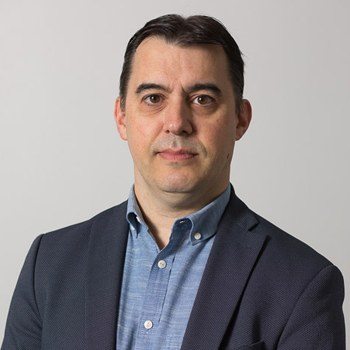
About the author
Olivier Picard is the founder and Managing Director of ISC Medical and Course Director for all ISC Medical courses. He has been training and coaching doctors for more than 22 years and has worked with clinicians at every stage of their careers, from doctors entering specialty training through to senior clinicians applying for NHS consultant and leadership posts.
He has designed and developed ISC Medical's programmes in medical teaching, communication, leadership, management and interview skills, and has trained many of the faculty who now deliver these courses. Over that time, he has taught thousands of doctors and has continued to refine his own approach through experience, learner feedback and working alongside other experienced trainers.
Olivier is also the author of several books for doctors, including Medical Interviews: A Comprehensive Guide to CT, ST & Registrar Interview Skills, which has been published in multiple editions since 2008. His books draw on the same practical approach that underpins ISC Medical's courses, translating professional and educational principles into techniques that doctors can apply in interviews, clinical practice and their wider careers.
His approach to education is strongly practical. Rather than treating educational theory as an end in itself, he is particularly interested in how it can help doctors understand why some approaches to teaching work better than others, recognise habits that may have become established over time and adapt their teaching to different learners and clinical situations.
As Course Director, Olivier remains closely involved in the design and continuing development of ISC Medical's courses, as well as the development of its faculty. His focus is on ensuring that teaching remains engaging, evidence-informed and, above all, useful in the real situations doctors encounter when teaching, communicating, leading and supporting colleagues in clinical practice.